The first season after an Olympic Games always has a special flavour. Some stars retire, others take a step back, and a new generation sees its chance. The 2026/27 Biathlon World Cup, which opens in Kontiolahti, Finland, in late November, is exactly that kind of season. It is also a milestone year: the 50th edition of the men’s World Cup and the 45th for the women.
Here is what you need to know before the first shot is fired: the calendar, the favourites and the storylines that will shape the winter.
The 2026/27 Season Calendar
The International Biathlon Union has built a compact schedule of ten World Cup stages, with the World Championships placed in the middle of the winter. Note that World Championship results do not count towards the overall World Cup standings.
| Stage | Venue | Dates |
| 1 | Kontiolahti, Finland | 24–29 November 2026 |
| 2 | Hochfilzen, Austria | 1–6 December 2026 |
| 3 | Annecy – Le Grand-Bornand, France | 8–13 December 2026 |
| 4 | Pokljuka, Slovenia | 31 December 2026 – 3 January 2027 |
| 5 | Ruhpolding, Germany | 5–10 January 2027 |
| 6 | Antholz-Anterselva, Italy | 12–17 January 2027 |
| 7 | Nové Město na Moravě, Czechia | 19–24 January 2027 |
| WCH | Otepää, Estonia | 8–21 February 2027 |
| 8 | Oberhof, Germany | 2–7 March 2027 |
| 9 | Östersund, Sweden | 9–14 March 2027 |
| 10 | Oslo Holmenkollen, Norway | 16–21 March 2027 |
The block of three stages in January (Ruhpolding, Antholz and Nové Město) is traditionally where the overall race takes shape, while the March finale in Oslo often decides the crystal globes.
Men: Can Éric Perrot Defend His Crown?
Last season rewrote the history books. For the first time ever, athletes from the same nation, France, won both the men’s and women’s overall titles in the same season. On the men’s side, Éric Perrot took the big crystal globe ahead of Norway’s Sturla Holm Lægreid and Johan-Olav Botn.
Norway will be desperate to respond. Botn arrives as the Olympic individual champion from Milan-Cortina, and Johannes Dale-Skjevdal won Olympic mass start gold. France also has Quentin Fillon Maillet, the Olympic sprint champion, while Sweden’s Martin Ponsiluoma showed his class with pursuit gold.
Women: Jeanmonnot Leads a Deep Field
Lou Jeanmonnot finally converted her consistency into the overall title last winter, finishing ahead of Sweden’s Hanna Öberg and Italy’s Lisa Vittozzi. The women’s field looks even more open this season, with several Olympic champions eager to prove their Games success was no one-off:
- Julia Simon (France) – Olympic individual champion and one of the fastest skiers in the field.
- Océane Michelon (France) – Olympic mass start champion and a rising leader of the French team.
- Maren Kirkeeide (Norway) – Olympic sprint gold medallist.
- Lisa Vittozzi (Italy) – Olympic pursuit champion and third overall last season.
The women’s tour will also feel different without some familiar faces. Germany’s Franziska Preuß, Austria’s Lisa Theresa Hauser and Slovakia’s Paulína Bátovská Fialková all ended their careers after the Olympic season.
Contenders at a Glance
| Athlete | Nation | Why to watch |
| Éric Perrot | France | Defending men’s overall champion |
| Sturla Holm Lægreid | Norway | Runner-up, elite shooter |
| Johan-Olav Botn | Norway | Olympic individual champion |
| Quentin Fillon Maillet | France | Olympic sprint champion |
| Lou Jeanmonnot | France | Defending women’s overall champion |
| Hanna Öberg | Sweden | Runner-up, big-race specialist |
| Lisa Vittozzi | Italy | Olympic pursuit champion |
| Océane Michelon | France | Olympic mass start champion |
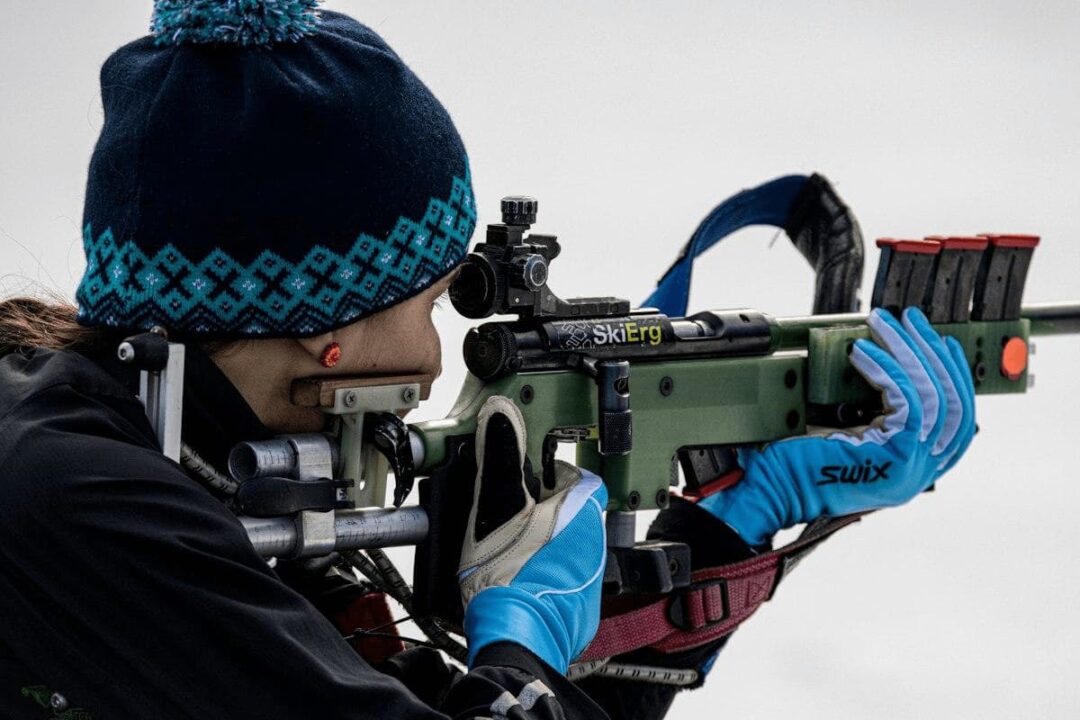
Five Storylines That Will Define the Season
- France’s double defence. Holding both globes again would confirm France as the dominant biathlon nation of this cycle.
- Norway’s rebuild. Since the retirement of the Bø brothers, Norway has searched for a new leader. Botn, Lægreid and Dale-Skjevdal all have a case.
- Post-Olympic motivation. Olympic champions sometimes struggle the following winter. Who stays hungry?
- Otepää’s big moment. The Estonian venue hosts the World Championships in February, a rare chance for the Baltic region to take centre stage.
- The next generation. With several veterans gone, young athletes from Sweden, Italy and Germany will get more starts and more pressure.
How to Follow the Season
Most races are broadcast live across Europe, and the official IBU channels provide live results, shooting statistics and replays. Fans who want more interaction use fantasy biathlon games, second-screen apps and social media streams during races.
Winter sports have also found a place on digital entertainment platforms. Some sportsbooks now list biathlon markets next to football and hockey, often under the same roof as an Online Casino. If you choose to add that element to your race weekends, treat it purely as entertainment, set a budget in advance and never let it replace the simple pleasure of watching a perfect 10-for-10 shooting stage.
Final Thoughts
The 2026/27 season combines everything that makes biathlon compelling: a historic French double to defend, a proud Norwegian team looking for answers, a World Championships in a new setting, and fresh faces filling the gaps left by retiring stars. Mark 24 November in your calendar: Kontiolahti will give us the first clues about who can go the distance all the way to Holmenkollen in March.